
Midlands Sheds and Summerhouses is often asked one important question before customers choose a new garden building: do sheds need planning permission? It is a sensible thing to check before you order, especially if you are planning a larger shed, a workshop, a summerhouse, or a garden building close to a boundary.
In many normal domestic gardens, sheds do not need planning permission because they can fall under permitted development rules. However, this depends on the size, height, position, location, and intended use of the building. A small storage shed at the bottom of the garden is usually straightforward. A tall building, a structure at the front of a property, or a garden room used as living accommodation is a different matter.
This guide explains the main rules in plain English, helping you understand when a shed is usually allowed, when you may need permission, and what to consider before choosing your next garden building.
What Does Permitted Development Mean?
Permitted development means certain building work can be carried out without making a full planning application. For homeowners, this often includes sheds, greenhouses, garages, summerhouses, and other outbuildings, provided they meet specific conditions.
These rules are not a free-for-all. They are designed to keep garden buildings reasonable in scale, protect neighbours from oversized structures, and prevent gardens from being overdeveloped. When you are looking through all our products, it is worth thinking about where the building will go, how tall it will be, and how much of the garden it will occupy.
For many customers, the process is simple. A standard garden shed placed in the back garden will usually be fine. Larger buildings need more care, especially if they are close to boundaries or intended for more than basic storage.
When Sheds Usually Do Not Need Planning Permission
Most sheds will not need planning permission if they are used for a normal domestic purpose and sit within the permitted development limits.
In general, a shed is more likely to be allowed without planning permission when it is:
Located behind the main front wall of the house.
Single storey.
Not used as separate sleeping accommodation.
Not covering more than half the land around the original house.
Within the correct height limits.
Used for a purpose that is incidental to the enjoyment of the home, such as storage, hobbies, gardening equipment, tools, or a home workshop.
This is why many standard sheds are suitable for domestic gardens without needing a formal planning application. They are usually modest in scale, practical in purpose, and designed for normal garden use.
That said, each property is different. The rules can change if your home is listed, located in a conservation area, or subject to previous planning restrictions.
Shed Height Rules Explained
Height is one of the most important parts of shed planning permission. Even if the footprint is reasonable, a shed may become a planning issue if it is too tall.
The general height limits are usually:
Up to 2.5 metres high if the building is within 2 metres of a boundary.
Up to 4 metres high for a dual-pitched roof.
Up to 3 metres high for other roof types.
Up to 2.5 metres high at the eaves.
These limits matter because a garden building can affect neighbouring properties if it is very tall or positioned close to a fence. Before choosing a shed, measure the available space and check how close the building will be to the boundary.
Apex Sheds and Planning Permission
An apex shed has a traditional pitched roof with the highest point running along the centre. This shape gives good headroom, helps rainwater run off both sides, and creates a familiar garden shed appearance.
From a planning point of view, apex sheds can work very well, but height needs to be checked carefully. Because the ridge is higher than the eaves, a larger apex shed may exceed the permitted height if placed close to a boundary.
For example, if you want a generous apex shed for storage or workshop use, you may need to think carefully about its position. Moving it slightly further away from the boundary may give you more flexibility. If space is tight, a lower-profile design might be more suitable.
Pent Sheds and Lower Roof Profiles
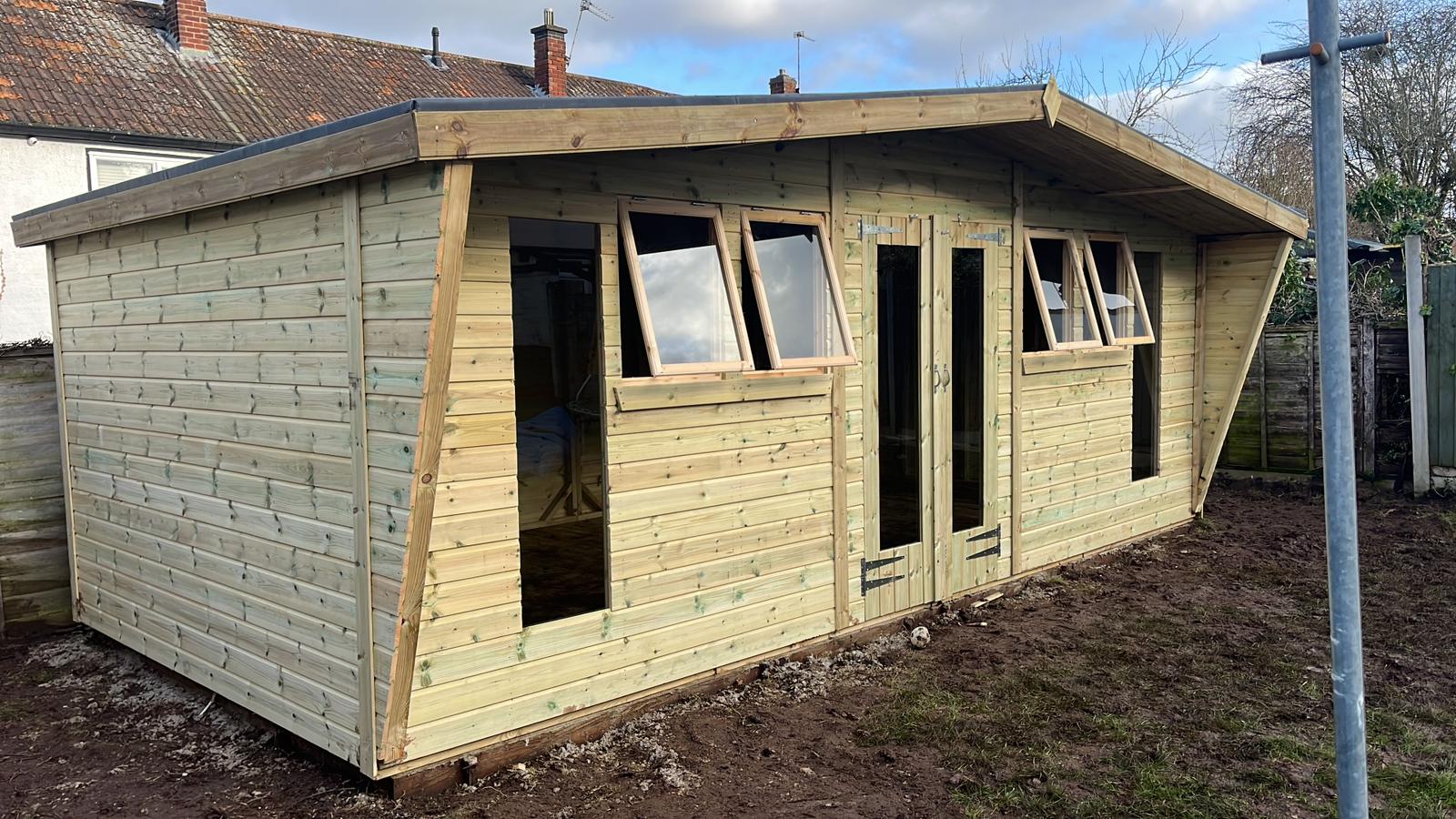
A pent shed has a single sloping roof, usually higher at the front and lower at the back. This style is popular for modern gardens, side spaces, and positions where a lower roofline is helpful.
Pent sheds can be a practical choice when planning rules are a concern. Their simpler roof shape often makes it easier to stay within the 2.5 metre height limit near a boundary. They can also sit neatly against fences, walls, or the side of a garden without feeling too bulky.
This does not mean every pent shed automatically avoids planning issues. Size, placement, and use still matter. However, when a customer wants a clean, practical building for a restricted space, a pent design is often worth considering.
Do Summerhouses Need Planning Permission?
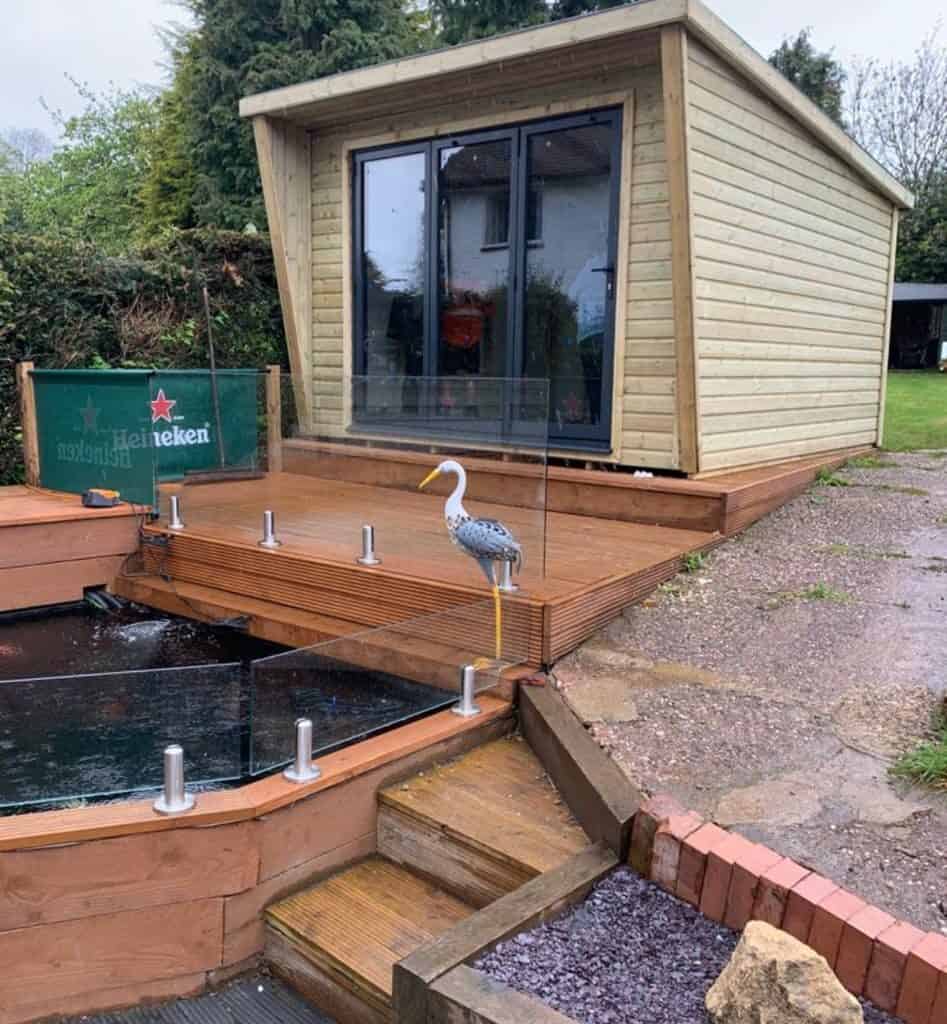
Many summerhouses also fall under permitted development, provided they meet the same general conditions as sheds. The key difference is often how the building is used.
A summerhouse used for relaxing, reading, hobbies, children’s activities, or occasional garden enjoyment is usually treated as an outbuilding. In many cases, it will not need planning permission if it stays within the usual size and height limits.
However, a summerhouse can become more complicated if it is used as independent accommodation. If the building includes sleeping arrangements, bathroom facilities, cooking facilities, or is being used as a self-contained living space, planning permission is much more likely to be required. Building regulations may also become relevant.
For most homeowners, a summerhouse is simply a comfortable garden retreat. In that case, the planning position is usually similar to a shed, but it is still worth checking the details before ordering.
Where You Put the Shed Matters
The location of the shed is just as important as the size. A garden building at the back or side of a property is usually easier to manage than one at the front.
If the shed is placed in front of the principal elevation of the house, especially facing a road, planning permission may be required. This is because front-facing structures can affect the appearance of the street.
Boundary distance is another key factor. If the building is within 2 metres of a boundary, the maximum height is usually restricted to 2.5 metres. Many garden buildings are installed close to fences, so this rule is especially important.
You should also think about access for maintenance. Even if a shed can legally sit very close to a fence, leaving a small gap can make it easier to treat timber, clear leaves, and maintain the building over time.
How Much of the Garden Can a Shed Cover?
Permitted development rules usually state that outbuildings must not cover more than 50% of the land around the original house. The “original house” means the property as it was first built or as it stood on 1 July 1948 if older.
This can catch people out, especially where previous extensions, garages, or other outbuildings have already used some of that allowance.
In most average gardens, one shed will not come close to the limit. However, if you already have several structures, or you are planning a large workshop, summerhouse, or combined storage building, it is worth checking the total coverage.
Listed Buildings, Conservation Areas and Special Restrictions
Planning permission rules can be stricter for certain properties and locations. If your home is listed, you should seek advice before adding any significant garden building. Listed building consent may be needed, even when ordinary planning permission would not be required elsewhere.
Conservation areas, national parks, areas of outstanding natural beauty, and other protected locations can also have tighter rules. In some cases, placing an outbuilding to the side of a property may need permission. Larger garden buildings may also face extra scrutiny.
Some newer properties also have planning conditions that remove or restrict permitted development rights. This can happen on modern estates where councils want to control future changes. Checking your property documents or speaking to the local planning authority can help avoid problems.
Is Building Regulations Approval Needed?
Planning permission and building regulations are separate. Planning permission controls whether the structure is acceptable in planning terms. Building regulations focus on safety, construction standards, insulation, fire safety, and similar issues.
Many small detached sheds used for storage do not need building regulations approval. However, regulations may apply if the building is large, close to a boundary, used for sleeping, or connected to services.
Electrical work should always be handled properly. If you plan to add power, lighting, heating, or internet access, use a qualified electrician and make sure the installation is safe and suitable for outdoor use.
Practical Checks Before Ordering a Shed
Before ordering a new shed or summerhouse, it helps to carry out a few basic checks.
Measure the available garden space carefully.
- Check the distance from boundaries.
- Confirm the highest point of the roof.
- Think about whether the building will be visible from the road.
- Consider whether your property is listed or in a restricted area.
- Decide how the building will be used.
- Check access for delivery and installation.
These checks can help you choose a garden building that suits your space without creating unnecessary planning concerns.
Choosing the Right Building with Confidence
A shed should make your garden more useful, not create stress. By understanding the main planning rules before you buy, you can choose a building that works well for your home, garden, and long-term plans.
Some customers need a simple storage shed for tools and gardening equipment. Others want a larger workshop, hobby room, or summerhouse for relaxing at the end of the garden. The right choice depends on available space, roof style, access, budget, and how you plan to use the building.
If you are unsure which option best suits your garden, contact us for friendly guidance. A little advice at the start can make the whole process much easier.
Final Thoughts
So, do sheds need planning permission? In many cases, no. Most standard garden sheds are allowed under permitted development, provided they are single storey, correctly positioned, within the height limits, and used for normal domestic purposes.
The main issues to watch are height, boundary distance, garden coverage, protected locations, listed properties, and any plan to use the building as living accommodation. Once those points are understood, choosing a shed or summerhouse becomes much simpler.
For homeowners looking for a practical and attractive garden building, Midlands Sheds and Summerhouses offers a wide range of options to suit different spaces, styles, and uses. With the right planning checks in place, you can choose your new shed with confidence and enjoy a more useful garden for years to come.