
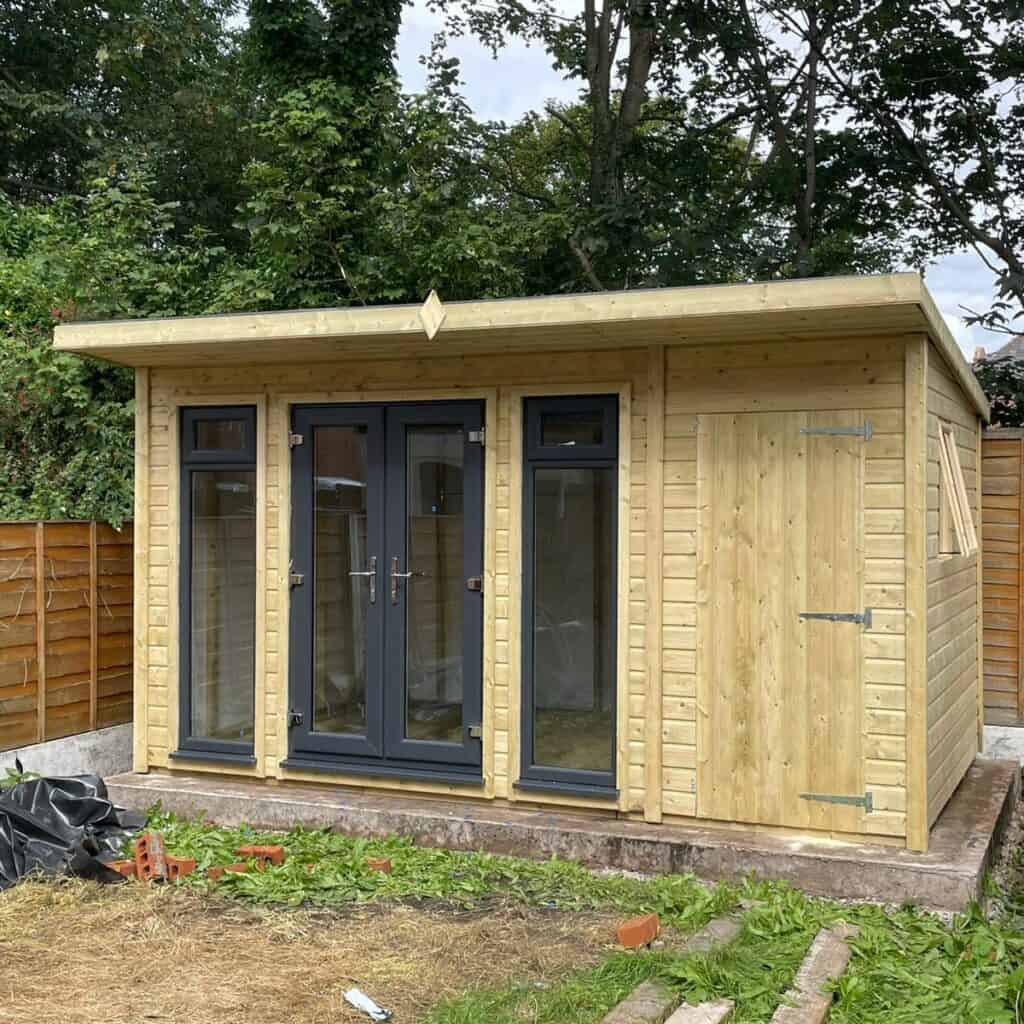
When planning a new outdoor retreat, many people find themselves comparing a garden room vs summerhouse. At first glance, they might seem similar. Both offer stylish garden buildings and usable extra space, but their differences are significant when it comes to structure, purpose, and value.
In this guide, we’ll break down the key distinctions to help you choose the right solution for your garden and lifestyle.
Understanding the Basics
Both garden rooms and summerhouses are freestanding structures that enhance outdoor living. However, they serve slightly different purposes and are built to varying standards.
A summerhouse is typically a more casual space. It’s often used in warmer months for relaxation, reading, or enjoying the view of the garden. Summerhouses come in a wide range of styles, from traditional wooden buildings with glazed double doors to more modern shapes with pent roofs and sleek cladding.
A garden room, on the other hand, is a more permanent, insulated building designed for year-round use. Think of it as an extension of your home, often complete with electrics, double glazing, and even heating. Many homeowners use garden rooms as offices, gyms, or creative studios.
Construction Quality and Insulation
Most summerhouses are built for seasonal use. They usually have thinner timber cladding (e.g. 12mm–16mm), single glazing, and minimal or no insulation. This is great for fair-weather lounging, but they’re not the ideal choice for a heated, all-season space.
Garden rooms are purpose-built for full-year functionality. They’re often constructed using thicker timber or SIP panels, high-grade insulation, and double-glazed windows and doors. As a result, they offer far better thermal performance, keeping the space comfortable even in winter.
This means that if you’re planning to use your space as a home office, hobby room, or garden guest room, a garden room is the smarter choice.
Appearance and Design Flexibility
Summerhouses offer a charming aesthetic that blends into most garden styles. With their timber finishes and choice of apex or pent roofs, they can be easily personalised with paint, planters, or decking.
Garden rooms tend to have a more modern and architectural look. Cladding options include cedar, composite, or pressure-treated timber. With flat roofs, bifold doors, and bespoke layouts, they can be tailored to blend with contemporary homes or stand out as a statement feature.
If your garden building is a focal point, you may prefer the design flexibility that comes with a garden room. On the other hand, if you want something charming and functional, a summerhouse may be all you need.

Planning Permission and Regulations
In most cases, both garden rooms and summerhouses fall within permitted development rights, provided they meet specific size and placement conditions. However, since garden rooms are often larger and equipped with services like electricity or plumbing, it’s worth checking local planning regulations before installation.
If your planned structure includes sleeping space, you may need building control approval. Similarly, if your garden building will be positioned near a boundary or exceeds certain height limits, a formal application might be required.
For most standard-size summerhouses, planning is rarely an issue. Still, always confirm before ordering.
Usage and Functionality
The biggest difference comes down to how you plan to use the space. Here’s a breakdown:
| Use Case | Best Option |
|---|---|
| Summer lounging and garden views | Summerhouse |
| Garden office or home business | Garden Room |
| Year-round gym or studio | Garden Room |
| Kids’ playroom or teen hangout | Either |
| Entertaining or bar space | Either, depending on insulation |
Summerhouses are fantastic for occasional use and can still be upgraded with insulation, lighting, and heating. However, if you want full comfort in all seasons, the garden room wins hands down.
Cost Considerations
Summerhouses tend to be significantly more affordable than garden rooms. A standard timber summerhouse with doors, windows, and pressure-treated timber can be installed at a fraction of the price of a fully insulated, electrified garden room.
Garden rooms involve higher initial investment, but they can add more value to your property and provide space equivalent to a small home extension.
If budget is a major factor, consider whether a high-spec summerhouse could still meet your needs with a few upgrades.
Making the Right Choice
So, garden room vs summerhouse – which is right for you?
- Choose a summerhouse if you want a beautiful garden retreat for light, occasional use in warmer months.
- Choose a garden room if you’re after a home extension that functions like an internal room, regardless of weather.
Whichever you choose, Midlands Sheds and Summerhouses offers high-quality timber buildings, custom options, and expert advice to help you create the perfect garden space.