
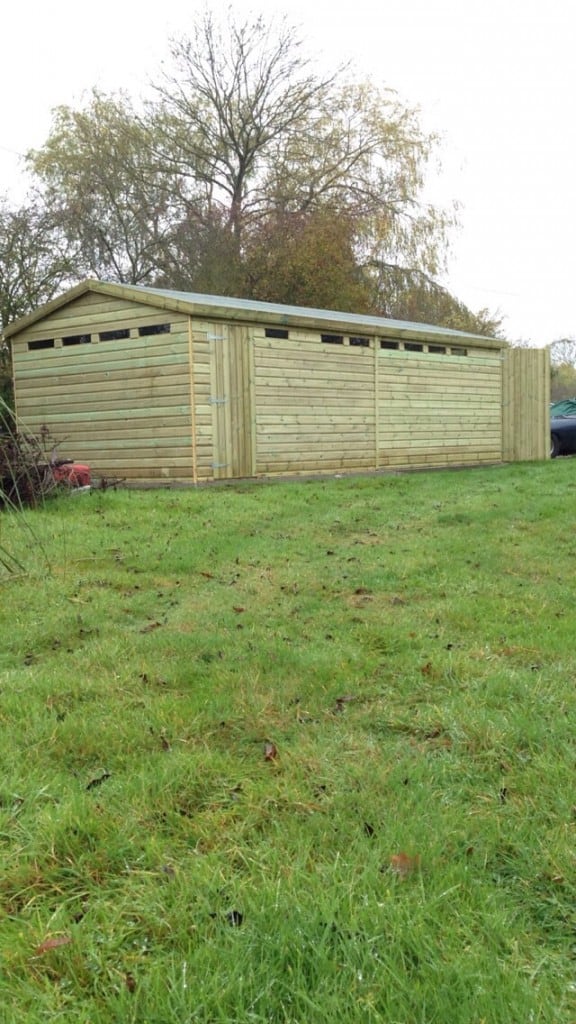
Midlands Sheds and Summerhouses customers are increasingly turning their garden buildings into fully functional workshop spaces. Whether you are a casual hobbyist or a serious DIY enthusiast, creating a dedicated garden workshop can transform how you work, store tools, and enjoy your projects.
A well-planned workshop shed gives you freedom from indoor limitations, keeps noise and mess out of the house, and provides a space that is entirely your own. If you are exploring all our products, this guide will help you turn a simple shed into a practical, efficient, and inspiring DIY workspace.
Why Create a Garden Workshop?
A garden workshop offers several advantages over working indoors or in a garage.
You gain:
- A dedicated space for tools and materials
- Better organisation and storage
- Separation from household noise and disruption
- The ability to customise your layout exactly as needed
For many homeowners, a workshop shed becomes one of the most used and valued spaces in the garden.
Choosing the Right Shed for a Workshop
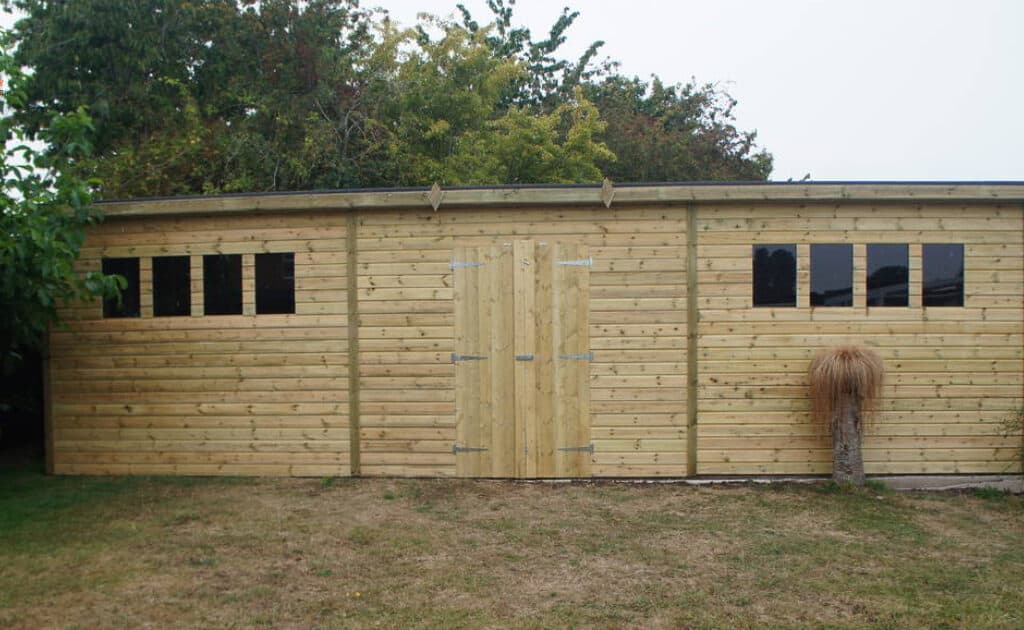
Not every shed is suitable for workshop use. The right choice depends on size, layout, and how you plan to use the space.
Size Matters
A workshop needs more room than a standard storage shed. You should be able to:
- Move around comfortably
- Set up a workbench
- Store tools without clutter
- Work safely
Larger sheds are often the best option if you plan to spend time inside.
You can explore suitable options among standard sheds designed for durability and space.
Apex vs Pent for Workshop Use
Apex Sheds for Workshops
An apex shed is often the preferred choice for workshops.
The higher roof provides:
- More headroom
- Better airflow
- Space for lighting and overhead storage
This makes it ideal for woodworking, repairs, and larger DIY projects.
Pent Sheds for Compact Workshops
A pent shed can also work well, particularly in smaller gardens.
Its advantages include:
- Lower height for boundary placement
- Efficient use of space
- A clean, modern layout
Pent sheds are great for focused work areas where space is limited.
Planning Your Workshop Layout
Before moving tools into your shed, plan the layout carefully.
Workbench Position
Your workbench is the centre of your workshop. Position it:
- Against a wall for space efficiency
- Near natural light where possible
- With enough room to move around
Tool Storage Zones
Divide your shed into zones:
- Frequently used tools within easy reach
- Larger equipment stored safely
- Materials organised separately
This reduces clutter and improves efficiency.
Clear Floor Space
Avoid filling the shed completely. You need room to move, especially when working with larger materials.
Workshop Ideas by Project Type
Different DIY hobbies require different setups. Here are some ideas based on popular uses.
Woodworking Workshop
Woodworking is one of the most common uses for a garden workshop.
Key features include:
- Strong workbench
- Tool racks and wall storage
- Good ventilation
- Dust management
An apex shed is often ideal due to the extra height.
Bike Repair and Maintenance
If you enjoy cycling, a shed workshop can double as a maintenance area.
Include:
- Wall-mounted bike racks
- Tool boards
- A repair stand
- Storage for spare parts
This setup keeps everything organised and easily accessible.
Craft and Hobby Studio
For creative hobbies such as painting, model building, or crafting, your workshop should focus on comfort and organisation.
Consider:
- Good lighting
- Clean storage areas
- A comfortable work surface
- Protection from dust and moisture
For this type of use, some homeowners also explore summerhouses for a brighter and more relaxed environment.
Power, Lighting and Safety
A proper workshop needs reliable lighting and power.
Lighting
Good lighting is essential for accuracy and safety.
- Use bright overhead lighting
- Add task lighting for detailed work
- Position lights to avoid shadows
Power Supply
If you plan to use power tools, you will need safe electrical access.
- Install outdoor-rated electrics
- Use qualified professionals where needed
- Avoid overloading sockets
Safety Considerations
Keep your workshop safe by:
- Storing sharp tools securely
- Keeping walkways clear
- Using protective equipment
- Ensuring good ventilation
Insulation and Comfort
If you plan to use your workshop year-round, insulation is worth considering.
Benefits include:
- More stable temperatures
- Reduced condensation
- Increased comfort
Even basic insulation can make a big difference, especially in colder months.
Maximising Storage Space
Storage is key to a functional workshop.
Use:
- Pegboards for tools
- Shelving units
- Hanging storage systems
- Stackable containers
Keeping everything organised saves time and makes working more enjoyable.
Keeping Your Workshop Tidy
A cluttered workshop quickly becomes frustrating.
Make it a habit to:
- Put tools back after use
- Clean surfaces regularly
- Dispose of waste properly
- Keep pathways clear
A tidy workshop is safer and more efficient.
Creating a Space You Enjoy
Your workshop should not just be functional, it should be a space you enjoy spending time in.
Add personal touches such as:
- Music
- Comfortable seating
- Good lighting
- A clean and organised layout
These small details can make a big difference to your overall experience.
Choosing with Confidence
Creating a garden workshop is about more than just buying a shed. It is about designing a space that supports your hobbies, improves productivity, and makes your projects more enjoyable.
Midlands Sheds and Summerhouses offers a wide range of options suitable for workshop use, whether you need a compact setup or a larger, more versatile space. With the right planning, layout, and features, your shed can become the perfect DIY environment.
If you are ready to create your own workshop or need help choosing the right building, you can always contact us for expert advice tailored to your needs.
Final Thoughts
A garden workshop is one of the most rewarding ways to use a shed. It creates a dedicated space for creativity, productivity, and practical work, all within your own garden.
With the right shed, layout, and organisation, you can build a workshop that works perfectly for your needs and continues to add value over time.