
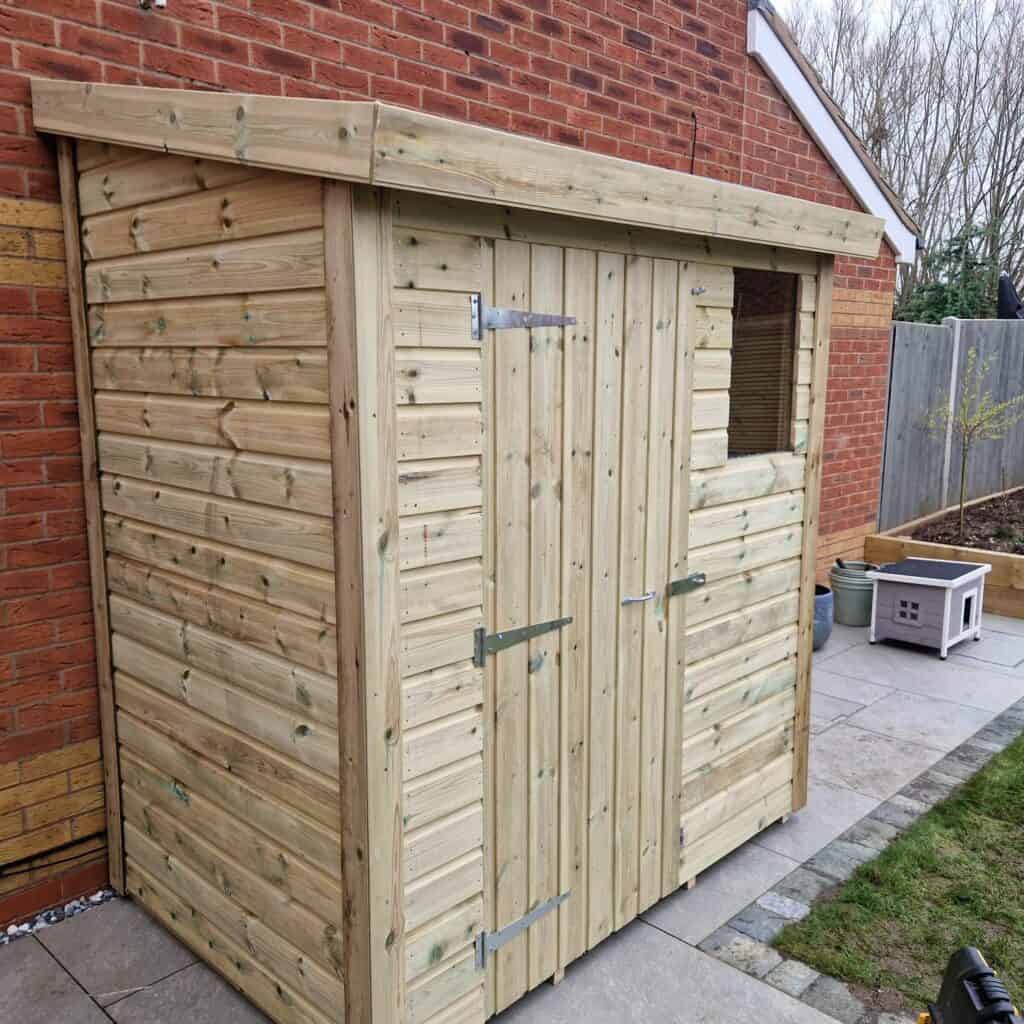
Keeping a summerhouse in good condition throughout the year requires a little seasonal preparation. Midlands Sheds & Summerhouses offers durable timber buildings, although the right care will help them stay comfortable, attractive, and weather resistant. This guide explains how to prepare your summerhouse for each season so it remains a welcoming space whatever the weather brings.
Maintaining Your Summerhouse Through Spring
Spring provides the perfect opportunity to refresh and repair your summerhouse after the winter months. Begin with a thorough inspection of the exterior. Look for loose felt, damp patches, or gaps in the timber where water may have settled. Clearing debris from the roof and guttering, if your model includes gutters, helps reduce the risk of leaks. A gentle wash with warm soapy water will brighten the timber and remove mildew or dirt accumulated over colder months.
Ventilation is especially helpful in spring. Open the doors and windows to allow fresh air inside. This helps remove condensation and prevent mould growth. Checking the door hinges, locks, and window catches will also keep the structure secure and easy to use. Spring is an ideal time for applying a fresh coat of timber treatment or paint. Dry, mild weather encourages even coverage, and the new layer will protect the timber as the year progresses.
Protecting Your Summerhouse During Summer
Summer often brings warmth and strong sunlight. These conditions are pleasant, although they can affect untreated timber. Inspecting the paint or wood stain ensures it still provides adequate protection. If the colour looks faded, consider applying a top up coat. This maintains the weather resistance and helps the timber avoid cracking or drying unevenly.
Shading the interior helps keep temperatures comfortable. Blinds, curtains, or reflective window film limit heat buildup, especially if your summerhouse faces direct sunlight. Proper ventilation is also important. Opening windows or fitting small vents encourages airflow, which prevents the interior from becoming stuffy. If you use the space as a hobby room or garden office, positioning furniture away from the sunniest areas protects materials and keeps the room pleasant. Summer is also an ideal time to clean and organise the interior. Decluttering makes the space easier to use and provides a clearer view of anything that may require attention before autumn arrives.
Preparing for Autumn’s Changing Weather
Autumn introduces cooler temperatures, dampness, and stronger winds. Addressing these early helps maintain the structure throughout the darker months. Begin by checking the seals around windows and doors. Fresh sealant prevents draughts and stops rain from entering. Tightening screws on hinges and locks will ensure everything remains secure.
Clearing leaves from around the summerhouse improves drainage and reduces moisture exposure. Trimming back plants or bushes that sit close to the walls helps increase airflow and prevents wet leaves from trapping dampness against the timber. Applying a water repellent treatment during a dry spell adds valuable protection for the winter ahead. Inside the building, storing items in sealed containers keeps them safe from potential damp or cold. If you have electrical items or soft furnishings, consider moving them away from the coldest parts of the walls to protect them from temperature fluctuations.
Protecting Your Summerhouse for Winter
Winter brings freezing temperatures, heavy rain, and occasional snow. Preparing your summerhouse for these challenges will prevent long term issues. Check the roof thoroughly to ensure the felt is secure. Any loose edges should be repaired before storms or snow arrive. If snow builds up on the roof, gently removing excess weight reduces stress on the structure.
Insulation offers great benefits during the winter months. If your summerhouse is used as an office, craft room, or leisure space, insulated walls and floors help keep the interior warmer. Adding a small portable heater can make the room comfortable, although good ventilation should still be maintained occasionally to prevent condensation. Draught excluders fitted to the door help retain warmth and reduce the impact of cold winds.
Moisture control is particularly important in winter. Placing moisture absorbers inside the summerhouse reduces dampness and protects stored items. Regular quick checks every few weeks ensure no leaks or weather damage appear unexpectedly. Even brief winter sunlight can help dry out moisture, so opening the door on dry days can make a noticeable difference. Maintaining these small habits ensures your summerhouse stays strong, dry, and ready for use when spring returns.
Preparing a summerhouse for each season keeps it in excellent condition and prolongs its life. From spring cleaning and summer shading to autumn checks and winter protection, every step contributes to a comfortable and reliable space. Midlands Sheds & Summerhouses provides high quality buildings designed to withstand changing British weather, and with the right care your summerhouse will remain a cherished part of your garden throughout the year.