
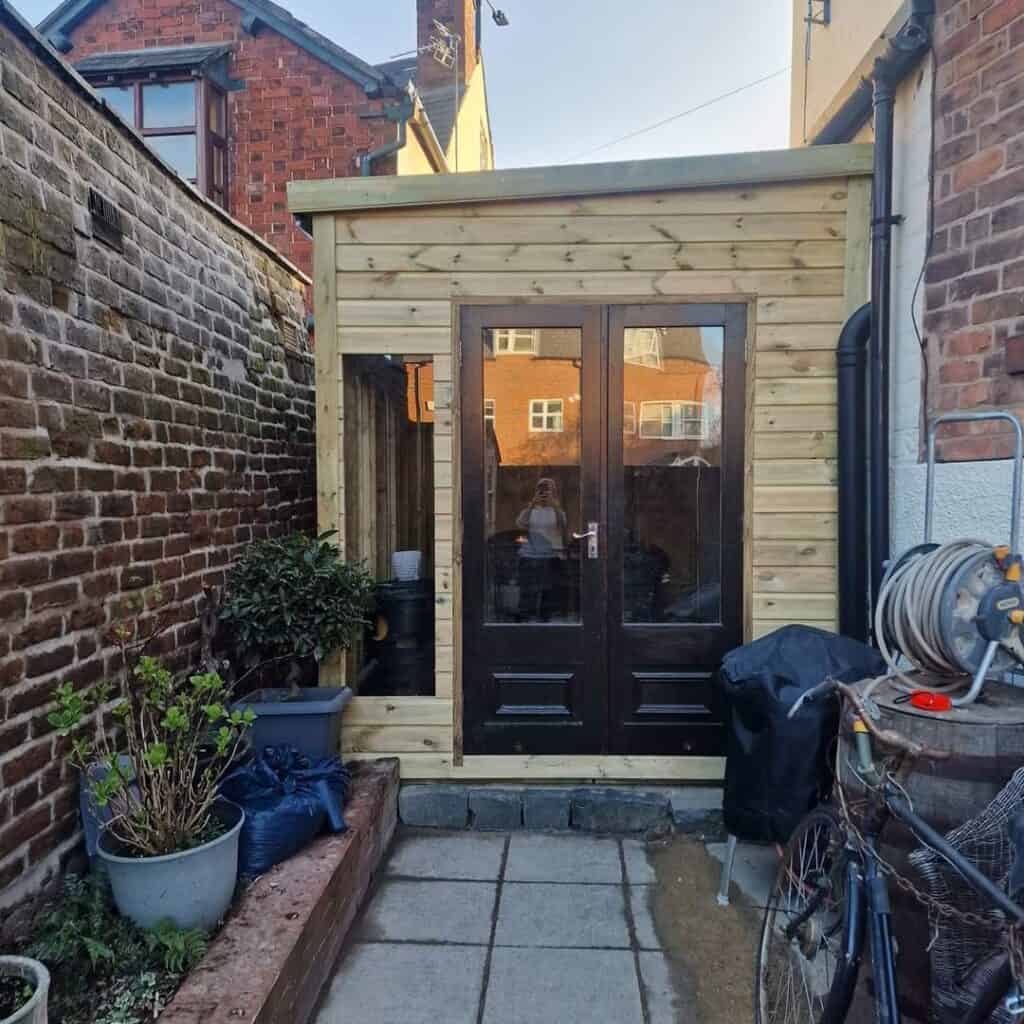
Midlands Sheds and Summerhouses understands that not every garden offers wide open space. Many homeowners are working with narrow layouts, side return areas, or long, thin plots where every inch matters. Choosing the right shed for this type of garden requires a slightly different approach, focusing on proportions, access, layout, and clever design choices.
If you are exploring all our products, this guide will help you identify exactly what works in a narrow garden and avoid the common mistakes that lead to wasted space or impractical installations.
Understanding the Challenges of a Narrow Garden
Narrow gardens present a unique set of constraints. Unlike wider spaces, you cannot simply place a large shed in the centre and build around it.
Common challenges include:
- Limited width for placement
- Restricted access for installation
- Reduced natural light due to fences or walls
- The risk of the shed dominating the space
- Difficulty moving around the shed once installed
Because of this, your shed needs to work with the shape of your garden rather than against it.
Start with Accurate Measurements
Before looking at styles or designs, you need to understand your available space.
Measure:
- The full width of your garden
- The usable width once fences or borders are considered
- The length of the area where the shed will sit
- Access routes such as gates and pathways
It is also important to allow space around the shed for maintenance. Even in a narrow garden, leaving a small gap behind or to the side can make a big difference long term.
Choosing the Right Shed Shape
In narrow gardens, shape matters just as much as size.
Long and Slim Designs
Instead of choosing a square shed, consider a longer, narrower footprint. This allows the building to run along the length of the garden without taking up too much width.
This style works particularly well for:
- Tool storage
- Bike storage
- Garden equipment
- Compact workshops
You can explore suitable options within standard sheds that are designed with practical dimensions in mind.
Pent vs Apex in Narrow Spaces
One of the most important design decisions is the roof style.
Pent Sheds for Narrow Gardens
A pent shed is often the best choice for a narrow garden.
Its sloping roof:
- Keeps the overall height lower
- Allows placement closer to boundaries
- Creates a clean, streamlined look
- Works well along fences or walls
Because of these advantages, pent sheds are usually the go-to option when space is tight.
Apex Sheds in Narrow Layouts
An apex shed can still work in a narrow garden, but it requires more careful planning.
The higher roof means:
- More internal headroom
- Better airflow
- A more traditional appearance
However, the extra height can make the space feel more enclosed if the shed is positioned too close to boundaries.
If you prefer an apex design, consider placing it at the end of the garden where width is less restrictive.
Placement Strategies That Work
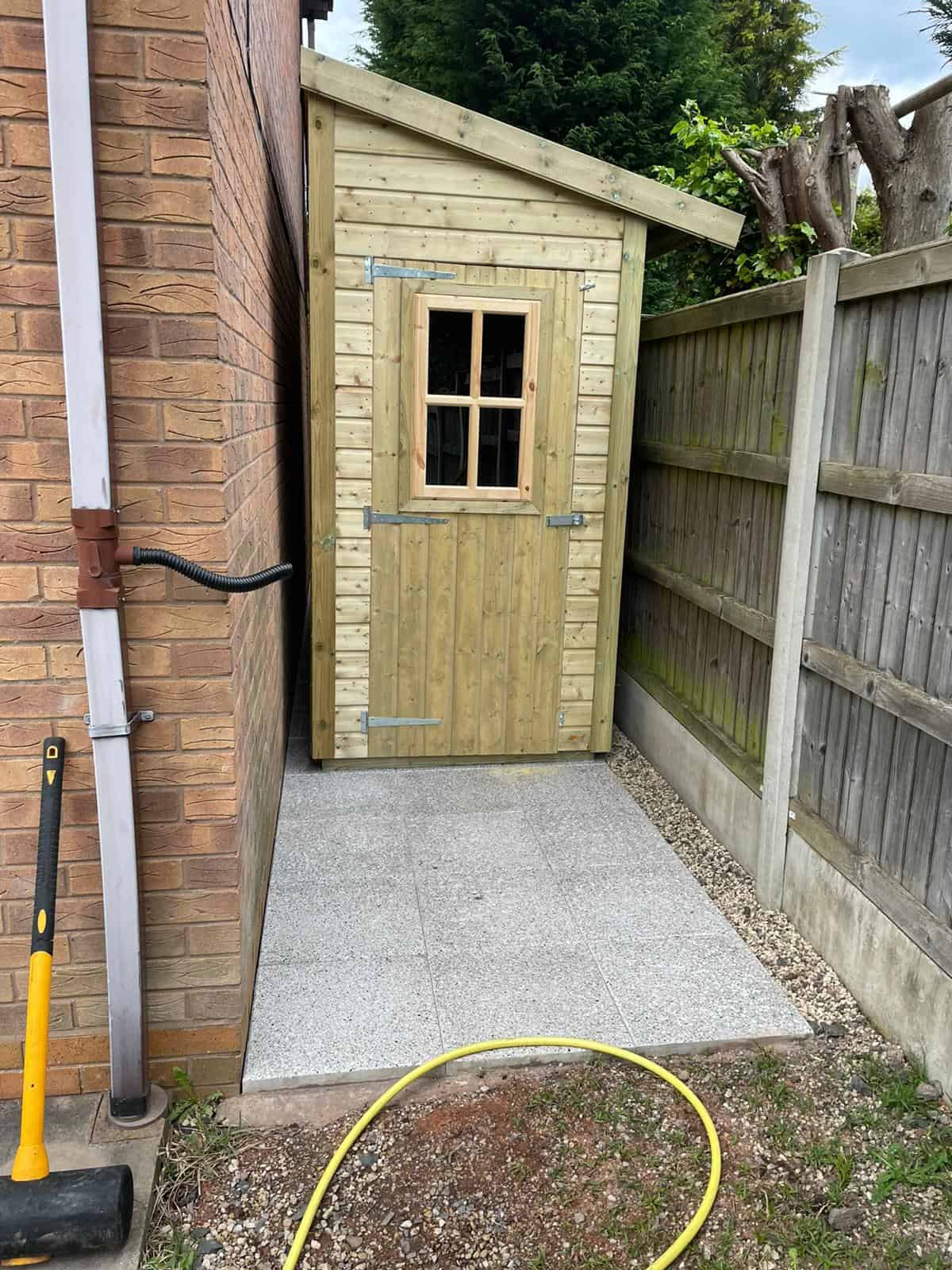
Where you place your shed is just as important as what you choose.
Along the Fence Line
Positioning the shed along one side of the garden is the most common approach. This keeps the central pathway clear and maintains a sense of openness.
At the End of the Garden
Placing the shed at the back creates a natural focal point and leaves the rest of the garden free for use.
This works well if:
- You want to keep the garden open
- You need more usable space near the house
- You are planning a seating or lawn area
Corner Positioning
In some cases, placing the shed in a corner can maximise space efficiency, especially if the garden widens slightly at the back.
Access and Usability
A shed is only useful if you can access it comfortably.
In narrow gardens, think about:
- Door positioning
- Opening clearance
- Walkway space
A door that opens into a tight pathway can quickly become frustrating.
Sliding or outward-opening doors can be a good solution, depending on the design.
Letting Light In
Narrow gardens can sometimes feel enclosed, especially with high fences on both sides.
To avoid creating a dark or cramped space:
- Choose a shed with windows
- Position windows to capture available light
- Consider lighter exterior finishes
If you are looking for a more comfortable or lifestyle-focused space, exploring summerhouses can provide a brighter and more open feel.
Storage vs Lifestyle Use
The purpose of your shed will influence every decision.
Storage-Focused Sheds
If you are primarily storing tools and equipment, focus on:
- Efficient shelving
- Easy access
- Durable materials
A slim pent shed is often ideal for this.
Multi-Use or Lifestyle Spaces
If you want to use your shed as a workspace or relaxation area, consider:
- Internal headroom
- Lighting
- Insulation potential
- Layout flexibility
In these cases, a slightly larger footprint may be worth sacrificing some garden space.
Making the Most of Vertical Space
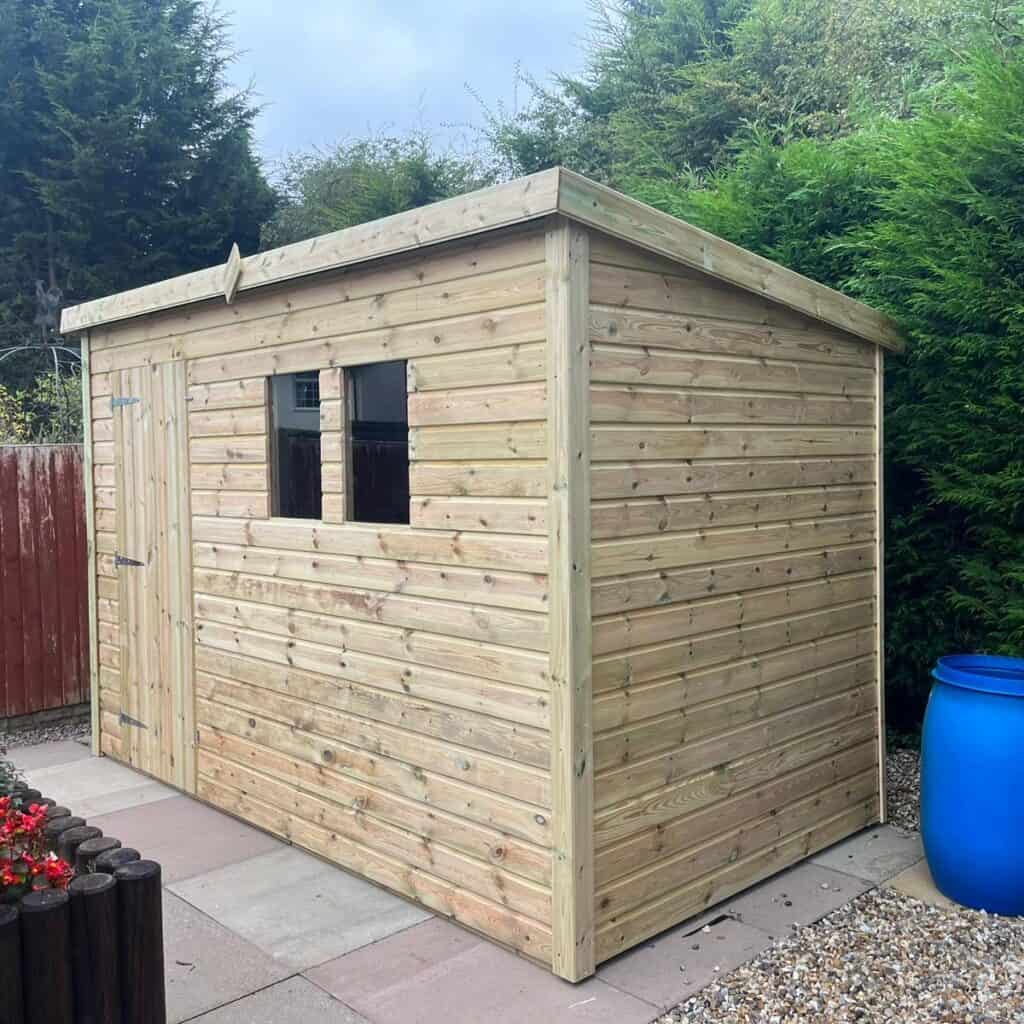
When floor space is limited, vertical storage becomes essential.
Use:
- Wall-mounted shelves
- Hooks for tools
- Hanging storage systems
- Overhead racks
This keeps the floor clear and maximises usable space inside the shed.
Planning for Delivery and Installation
One of the most overlooked aspects of narrow gardens is access for delivery.
Before ordering, check:
- Gate width
- Pathway clearance
- Obstacles such as fences or walls
Even if a shed fits perfectly in your garden, it still needs to get there.
Midlands Sheds and Summerhouses often helps customers plan for these challenges before installation, ensuring a smooth process from start to finish.
Drainage and Ground Conditions
Narrow gardens can sometimes have poor drainage, especially if they are enclosed by surrounding structures.
Make sure your shed base:
- Is level
- Allows for water runoff
- Includes a suitable sub-base
Proper groundwork is essential to prevent long-term issues such as damp or shifting.
Avoiding Common Mistakes
Many narrow garden shed projects run into problems because of simple oversights.
Avoid:
- Choosing a shed that is too wide
- Ignoring access requirements
- Placing the shed where it blocks movement
- Forgetting about height restrictions near boundaries
- Overcrowding the space
Taking a thoughtful approach at the start will save time and frustration later.
Creating a Balanced Garden Layout
Even in a narrow garden, balance is important.
Your shed should feel like part of the overall design rather than an afterthought.
Consider:
- Pathways
- Planting areas
- Seating zones
- Visual lines through the garden
A well-placed shed can actually enhance the space rather than limit it.
Choosing with Confidence
Choosing a shed for a narrow garden is about smart design rather than compromise. With the right shape, placement, and features, even a small or restricted space can feel organised, functional, and visually appealing.
Midlands Sheds and Summerhouses offers a wide range of options designed to suit different garden layouts, including narrow and challenging spaces. By focusing on what your garden needs rather than simply choosing the largest option available, you can create a solution that works perfectly.
If you are unsure which shed is right for your space, you can always contact us for tailored advice and guidance.
Final Thoughts
A narrow garden does not limit your options as much as you might think. In many ways, it encourages smarter choices and more efficient use of space.
By choosing the right shed style, positioning it carefully, and making use of vertical storage, you can transform even the tightest garden into a practical and enjoyable outdoor area.
With the right planning, your shed will not just fit your garden, it will improve it.