
Midlands Sheds and Summerhouses customers often face one frustrating issue before installation even begins: making the right choice for a shed base on clay soil. If you have ever dealt with heavy, sticky ground that holds water for days after rain, you will already know that clay soil behaves very differently to sandy or well-drained ground. This makes your shed base one of the most important decisions you will make.
Get it wrong, and you risk sinking, shifting, damp problems, and even structural damage over time. Get it right, and your shed will stay level, dry, and stable for years to come.
This guide explains the best basing options specifically for a shed base on clay soil, helping you avoid common mistakes and choose a long-term solution.
Why Clay Soil Is Challenging

Clay soil expands when wet and shrinks when dry. This constant movement creates instability beneath structures. During winter, your ground may become waterlogged and soft. During summer, it can crack and harden.
For sheds and garden buildings, this movement causes:
- Uneven settling
- Warping or twisting of the structure
- Doors and windows sticking
- Increased moisture exposure
This is why simply placing a shed directly on soil is never recommended, especially when browsing options across all our products.
The Most Important Rule: Drainage First
Before choosing a base type, focus on drainage. Clay soil holds water, so your base must allow water to escape or divert it away from the shed.
Without proper drainage, even the strongest base can fail over time.
Key drainage steps include:
- Removing the top layer of soil
- Adding a sub-base of hardcore or MOT Type 1
- Ensuring a slight slope away from the shed
- Avoiding low points where water collects
Once drainage is addressed, you can confidently choose the best base for your needs.
Concrete Base: The Most Reliable Option
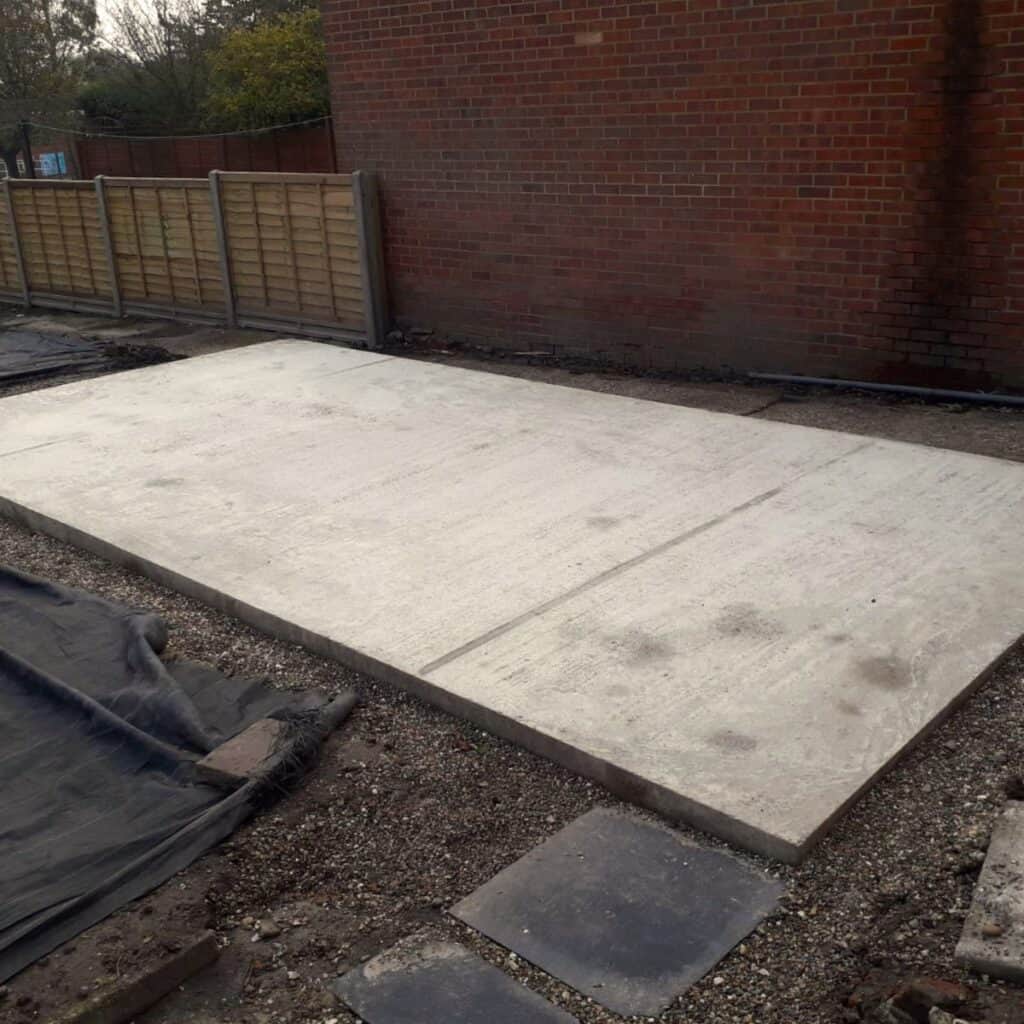
A concrete base is widely considered the best solution for clay soil gardens. It provides a solid, level surface that distributes weight evenly and resists movement.
Why Concrete Works Well on Clay
Concrete forms a rigid platform that is less affected by soil expansion and contraction. When installed correctly with a proper sub-base, it reduces the risk of sinking or shifting.
Pros
- Extremely durable and long-lasting
- Handles heavy buildings, including workshops and large sheds
- Resistant to moisture and movement
- Minimal maintenance required
Cons
- Higher upfront cost
- Requires more preparation and labour
- Permanent, not easily adjusted
Concrete bases are ideal for larger structures, especially if you are choosing from bigger sheds or even considering a garden workspace.
Paving Slab Base: A Flexible Alternative
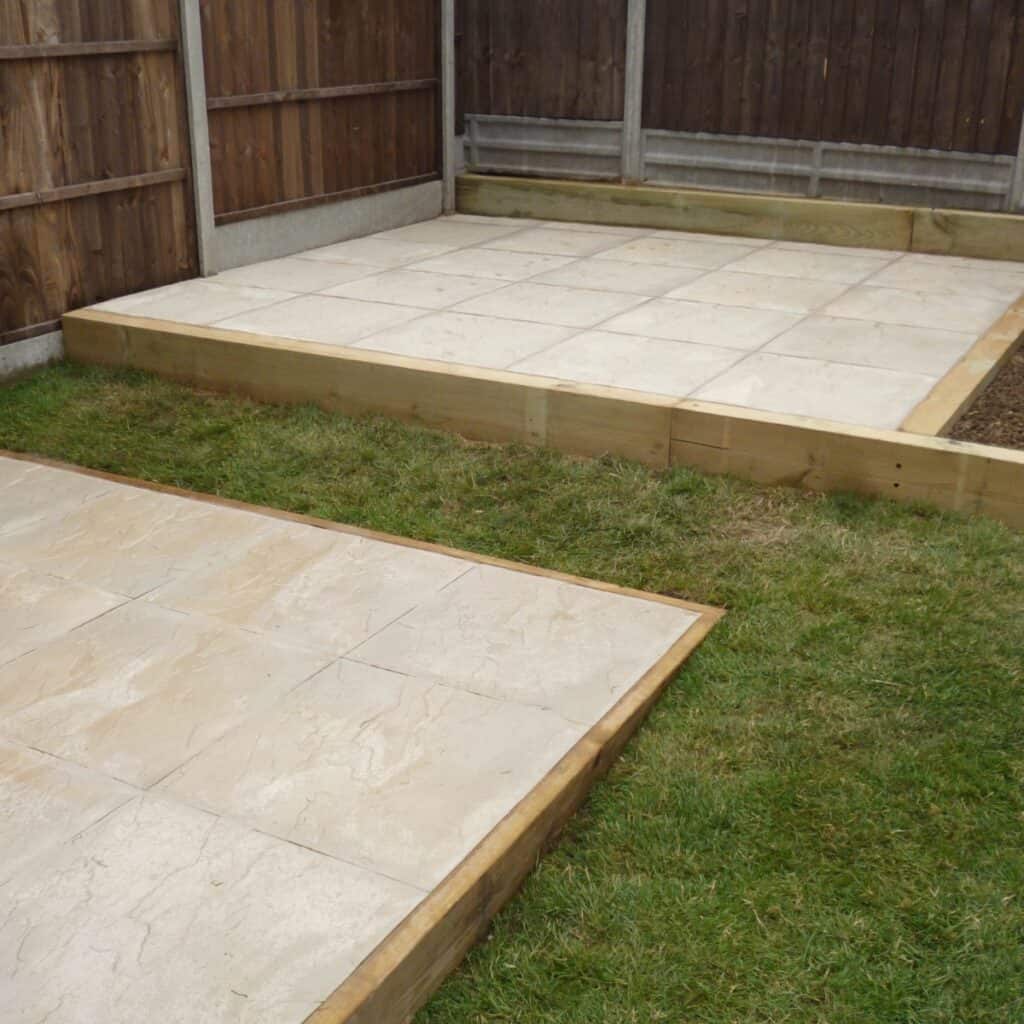
Paving slabs offer a more flexible and cost-effective option compared to concrete, while still providing a stable surface when installed correctly.
Why Slabs Can Work on Clay
Individual slabs allow for minor ground movement without cracking the entire base. When combined with a well-prepared sub-base, they can perform very well in clay conditions.
Pros
- Easier to install than full concrete
- Can be adjusted or replaced if needed
- Good drainage when spaced correctly
- Suitable for most standard garden buildings
Cons
- Can shift if the sub-base is poor
- Not as strong as a full concrete slab
- Requires careful levelling
This option works well for medium-sized garden buildings and many standard sheds.
Timber Frame Base with Ground Anchors
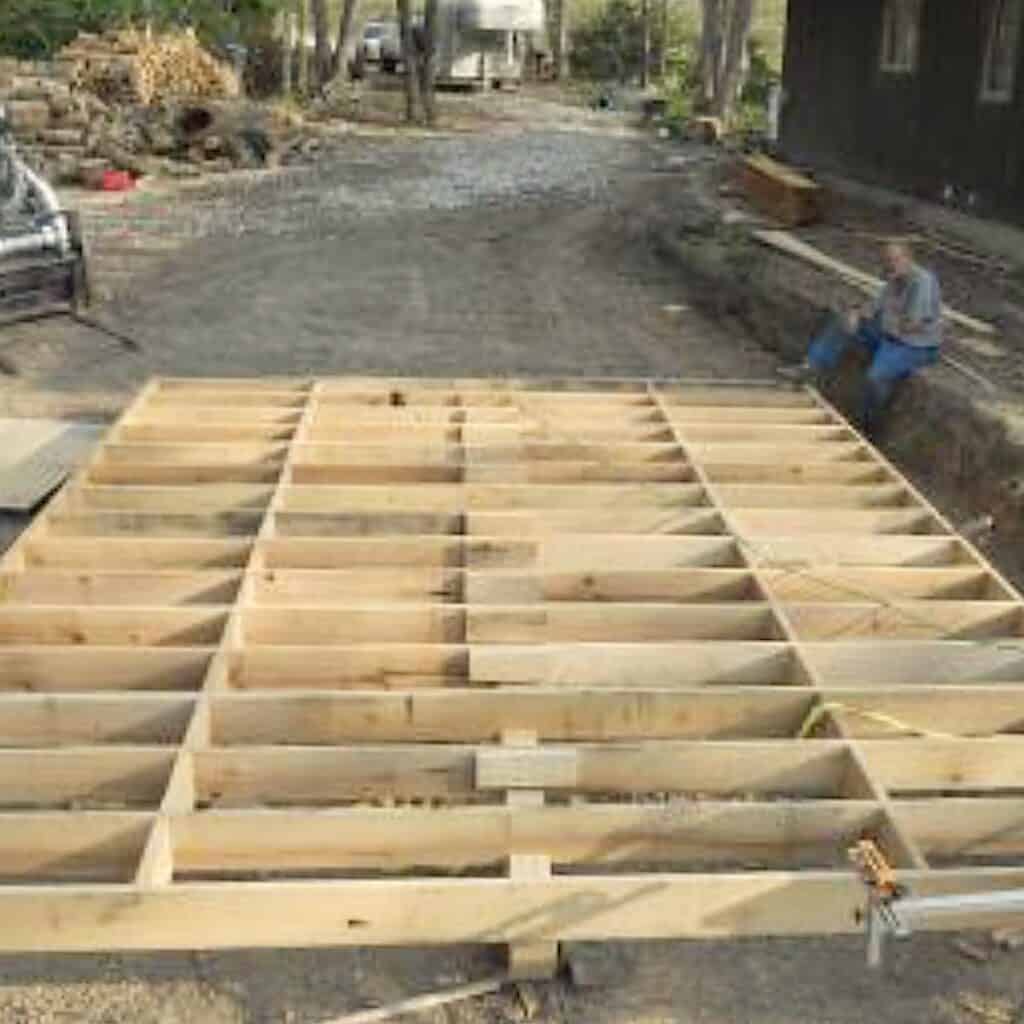
A timber frame base, raised slightly above ground level and supported by anchors or posts, is another effective option for clay soil.
Why It Works
By lifting the shed off the ground, you reduce direct contact with damp soil and allow airflow underneath. This helps prevent moisture build-up.
Pros
- Good for drainage and airflow
- Less excavation required
- Faster installation
- Can be used on uneven ground
Cons
- Not suitable for very heavy buildings
- Requires treated timber to prevent rot
- May need occasional maintenance
This type of base can work well for smaller structures or lighter buildings, especially when space or access is limited.
Gravel Base: Use with Caution
Gravel bases are sometimes recommended, but for a shed base on clay soil they require extra care.
The Issue
Clay prevents water from draining properly, meaning gravel alone can sit in a wet layer. Over time, this leads to instability.
When It Can Work
A gravel base can be effective if combined with:
- A deep excavated layer
- A geotextile membrane
- A solid sub-base underneath
Without these, gravel is not the best standalone choice for clay gardens.
Choosing the Right Base for Your Shed Type
Different buildings place different demands on the base.
- Larger workshops and heavy structures benefit from concrete
- Medium garden buildings work well with paving slabs
- Smaller sheds or temporary structures may suit timber bases
If you are exploring styles such as apex or pent buildings, the weight and footprint will influence your base choice. Larger designs need stronger, more stable foundations.
Additional Tips for a Shed Base on Clay Soil Success
Allow for Movement
Even with a strong base, clay soil will still move slightly. Build with tolerance in mind and avoid rigid connections to fences or walls.
Keep Water Away
Install gutters on your shed and direct water away from the base. This reduces saturation and improves long-term stability.
Check Levels Regularly
After installation, monitor the base over time. Minor adjustments early can prevent bigger problems later.
Avoid Rushing Installation
Installing a shed on freshly disturbed clay can lead to settling. Allow the base to stabilise before placing your building.
Planning Your Garden Building Properly
A solid base is just one part of the process. Positioning, access, and layout also matter.
Whether you are choosing sheds or considering summerhouses for a more relaxing space, the base must match both the building and the ground conditions.
Taking time to prepare properly ensures your investment lasts for years without issues.
Final Thoughts
Clay soil does not have to be a problem if you plan correctly. The key is understanding how the ground behaves and choosing a base that can handle moisture and movement.
Concrete bases offer the highest level of stability. Paving slabs provide flexibility. Timber frames can work well for lighter buildings. Gravel should only be used with proper preparation.
If you are unsure which base is right for your garden, Midlands Sheds and Summerhouses can help you choose the best option for your specific setup. For tailored advice or help selecting the right building, you can always contact us.
A well-prepared base is the foundation of a successful shed. Get this part right, and everything else becomes much easier.