

How to build a shed is one of the most common questions homeowners ask when looking to add practical space to their garden. Midlands Sheds and Summerhouses regularly speak to customers who are weighing up whether to take on a full DIY project or invest in a professionally built option. The appeal of building your own shed is clear. It promises savings, control, and a sense of achievement.
However, the reality is more nuanced. Building a shed is not simply about assembling timber. It involves planning, precision, tools, and an understanding of how structures behave over time. This guide will walk you through exactly how to build a shed step by step, while also giving an honest assessment of the pros and cons of doing it yourself.
Step 1: Planning Your Shed Properly
Before you even pick up a tool, planning is critical. This stage often gets rushed, but it is where many costly mistakes originate.
Start by deciding:
- The size of your shed
- Its purpose, such as storage, workshop, or garden room
- Placement within your garden
- Access for construction and future use
You also need to consider local regulations. In many cases, sheds fall under permitted development, but there are still important rules around size, height, and placement that you must follow.
Some of the most common restrictions include:
- Your shed must not be placed forward of the front wall of your house, meaning it cannot sit in your front garden in most cases
- It should not be positioned too close to a boundary that borders a road or public footpath
- The maximum height is typically 2.5 metres if the shed is within 2 metres of a boundary
- Larger sheds may be allowed, but only if they are positioned further away from boundaries
- The shed must not take up more than 50 per cent of the land around your home, including other outbuildings
Failing to follow these rules can result in having to move or even remove the structure, which can be a costly mistake. If you think you may need consent for your shed, visit the Planning Portal for more advice.
Poor planning can also lead to practical issues such as:
- A shed that is too small or impractical
- Drainage problems that cause water to pool around the base
- Limited access during construction or when using the shed
Getting this right at the start saves both time and money later.
Step 2: Building a Solid Base
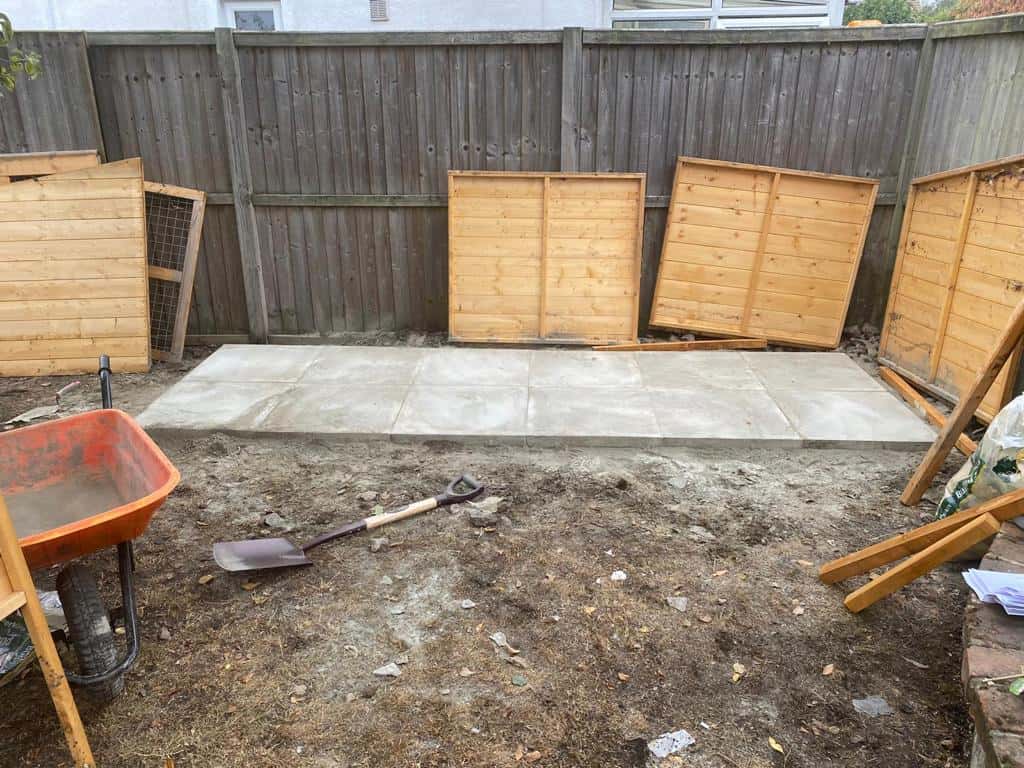
A shed is only as good as its foundation. This is arguably the most important part of learning how to build a shed, yet it is also the stage most commonly rushed or underestimated. Midlands Sheds and Summerhouses often see issues that stem not from poor shed construction, but from inadequate groundwork. If the base is wrong, everything that follows is compromised.
Common base options include:
- Concrete slabs
- Timber frames with gravel support
- Paving slabs
Regardless of the type you choose, the key requirements remain the same. Your base must be:
- Completely level
- Well-drained
- Strong enough to support the structure over time
If the base is uneven, the entire shed will suffer. Doors may not close properly, panels may twist, and the structure can become unstable. These are not cosmetic issues, they affect longevity and usability.
Understanding the Ground Beneath Your Shed
Before laying anything, you need to understand what you are building on. Soil conditions play a major role in how your base performs.
For example:
- Clay-heavy soil holds water and expands, which can cause movement
- Sandy soil drains well but may shift if not compacted properly
- Uneven or sloped ground requires additional preparation
Ignoring ground conditions is one of the most common DIY mistakes. A base that looks level on day one can shift within months if the substructure is not properly prepared.
Step-by-Step: Preparing the Ground
2.1. Marking Out the Area
Start by marking the footprint of your shed using stakes and string. Measure carefully and check diagonals to ensure the area is square.
Allow a slight margin around the shed size. This makes installation easier and helps with drainage.
2.2. Excavation
Next, remove the top layer of soil. This usually means digging down around 100mm to 150mm, depending on your chosen base type.
You are aiming to remove:
- Grass
- Roots
- Loose or organic material
Organic material breaks down over time, which can cause sinking. This is why simply placing slabs on grass is never a good idea.
2.3. Creating the Sub-base
This is the most critical part of the entire process. The sub-base sits beneath your slabs or concrete and provides stability and drainage.
A proper sub-base typically consists of:
- MOT Type 1 aggregate or crushed stone
- Compacted in layers
Spread the aggregate evenly across the excavated area to a depth of around 75mm to 100mm. Then compact it thoroughly using a wacker plate or tamper.
Compaction is essential. Loose aggregate will shift under weight, leading to an uneven surface later.
At this stage, you should already begin checking levels. Use a long spirit level or straight edge to ensure consistency across the area.
2.4. Adding a Sand or Sharp Sand Layer
Once your sub-base is compacted, add a layer of sharp sand, typically around 25mm to 40mm thick.
This layer serves two purposes:
- It allows you to fine-tune the level
- It provides a smooth bed for slabs or blocks
Do not use soft building sand. Sharp sand is required because it compacts properly and provides better stability.
Again, level this layer carefully. Small adjustments here make a big difference later.
Laying Paving Slabs for a Shed Base
Paving slabs are one of the most popular choices for DIY shed bases due to their balance of cost and durability.
Step-by-step process:
- Place the first slab in a corner and ensure it is level
- Tap it gently into position using a rubber mallet
- Check both side-to-side and front-to-back levels
- Continue laying slabs in a grid pattern
- Leave small gaps between slabs for drainage
Each slab must be individually level, but also aligned with the others. This is where patience is key.
A common mistake is to focus only on individual slabs without checking the overall surface. Always use a long straight edge across multiple slabs to ensure consistency.
Concrete Bases: A More Permanent Option
For heavier sheds or long-term installations, a concrete base is often preferred.
Process overview:
- Prepare the sub-base as described above
- Install wooden formwork around the perimeter
- Pour concrete evenly across the area
- Use a straight edge to level the surface
- Allow sufficient curing time
Concrete provides a very strong and durable base, but it is less forgiving than slabs. Mistakes are harder to correct once the concrete sets.
It is also more labour-intensive and typically more expensive.
Timber Frame Bases with Gravel Support
A timber base can be a good option for smaller sheds, especially where ground conditions are less stable.
This involves:
- Creating a timber frame
- Filling the interior with gravel
- Supporting the frame on concrete blocks or pads
While quicker to install, timber bases require careful treatment to prevent rot. They are generally less durable than slab or concrete options over the long term.
Drainage Considerations
Drainage is often overlooked, but it is essential for maintaining your shed base.
Water pooling around or under your shed can lead to:
- Timber rot
- Mould and damp
- Structural instability
To prevent this:
- Ensure the base sits slightly above ground level
- Allow for natural runoff away from the shed
- Avoid low-lying areas where water collects
In some cases, adding a slight gradient to the surrounding ground can help direct water away.
Checking Levels Properly
A base that looks level to the eye is not good enough. Precision matters.
Use:
- A long spirit level
- A straight edge or timber length
- Multiple reference points across the base
Check levels repeatedly throughout the process, not just at the end. It is far easier to correct small issues early than to fix major problems later.
Common DIY Mistakes to Avoid
This stage of how to build a shed is where most DIY issues occur. Some of the most common mistakes include:
- Skipping the sub-base entirely
- Using the wrong type of sand
- Failing to compact materials properly
- Not checking levels frequently enough
- Laying slabs directly onto soil
Each of these can lead to long-term problems that are expensive and time-consuming to fix.
Why the Base Matters More Than the Shed
It is tempting to focus on the shed itself, the design, the materials, the finish. However, the base is what determines how well that shed performs over time.
A high-quality shed placed on a poor base will fail prematurely. Conversely, even a basic shed can perform well if it sits on a properly constructed foundation.
This is why Midlands Sheds and Summerhouses always emphasise groundwork as the most critical stage.
Step 3: Constructing the Frame
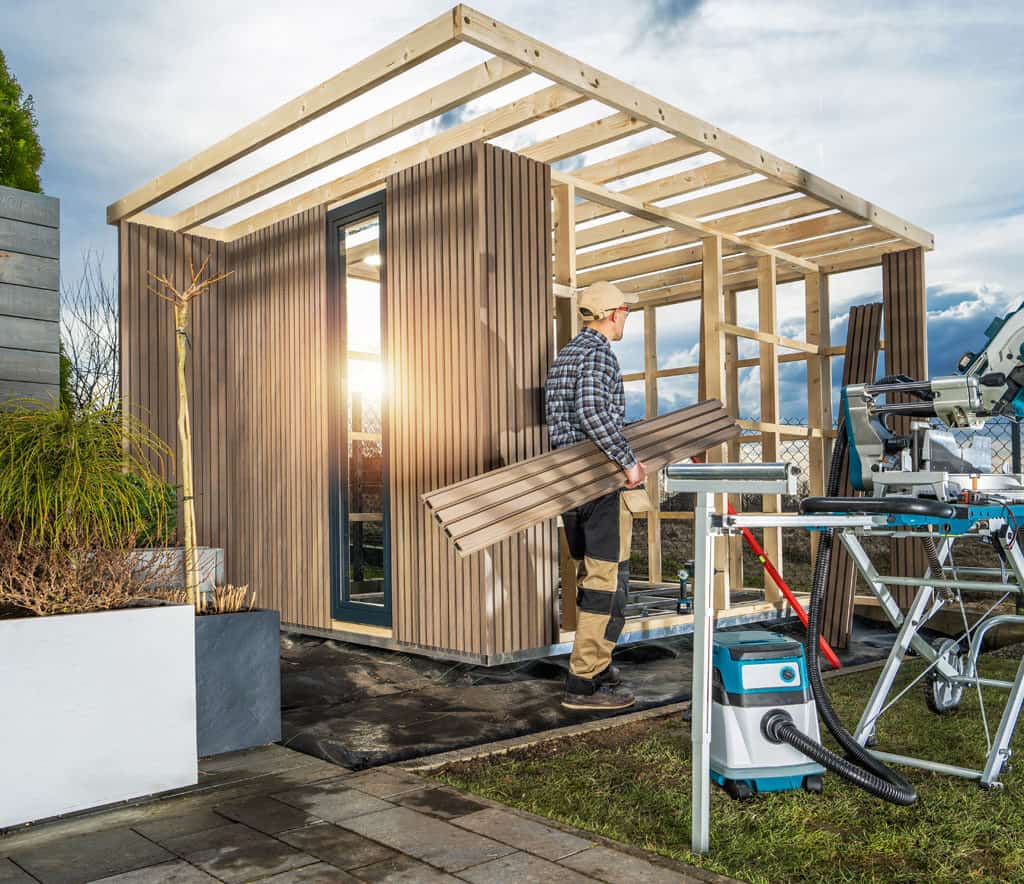
The frame forms the skeleton of your shed. It needs to be square, sturdy, and accurately measured, as every other component relies on it being correct. When learning how to build a shed, this is the stage where precision becomes absolutely critical. Small inaccuracies here will not stay small. They will carry through the entire structure.
The process typically involves:
- Building floor joists
- Constructing wall panels
- Adding roof supports
Start with the floor frame. This is usually built from treated timber and must sit perfectly level on your base. Joists should be evenly spaced and securely fixed, as they will carry the weight of everything above. If this stage is slightly off, you may notice bounce or uneven pressure points later.
Next comes the wall panels. These are often built flat on the ground before being lifted into place. Each panel must be square, meaning all corners are true right angles. A common technique is to measure diagonals. If both diagonal measurements match, your frame is square. If they do not, adjustments are needed before fixing anything permanently.
Once the walls are in place, you move on to the roof structure. This is where you need to decide between a pent or apex design.
A pent shed has a single sloping roof, typically angling from front to back or side to side. It is simpler to construct, requires fewer cuts, and is often more forgiving for DIY builders. Pent roofs also work well in tighter spaces or where height restrictions apply.
An apex shed, on the other hand, features a traditional peaked roof with two slopes meeting in the middle. This design offers better water runoff and more headroom, particularly in the centre. However, it is more complex to build, requiring accurate angles and a ridge beam for support.
Each component must be measured and cut precisely. Small errors here can compound quickly, leading to gaps, misaligned panels, or structural weakness. Using the correct timber thickness is also essential. Trying to save money by using thinner timber can result in a frame that twists or flexes over time, especially under the weight of the roof.
Step 4: Cladding and Roofing
Once the frame is in place, the next step in how to build a shed is enclosing it properly. This stage is where your shed becomes weather-resistant, secure, and visually complete. The two main elements to consider here are cladding and roofing, and both require careful decision-making.
Choosing the Right Cladding
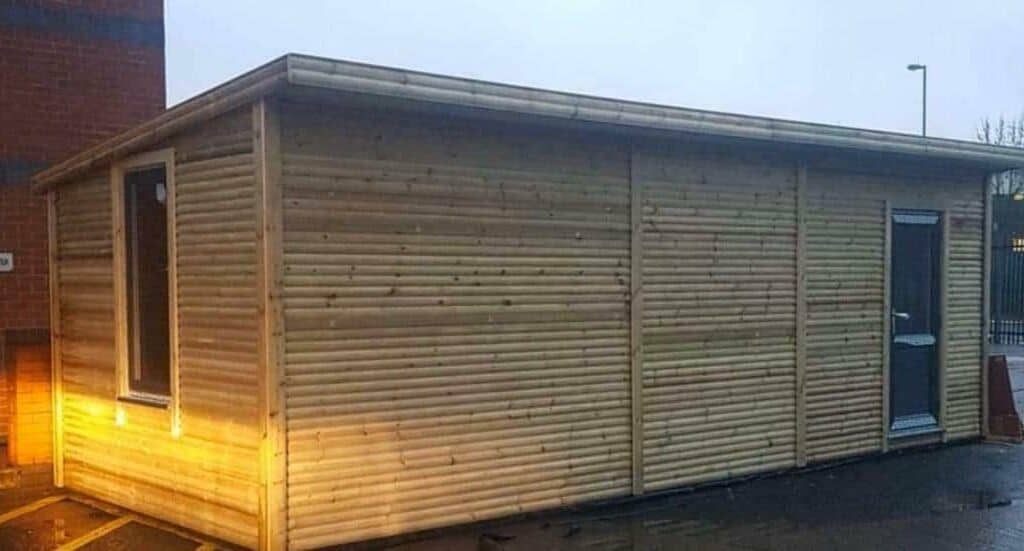
Cladding is the external skin of your shed. It protects the structure from wind, rain, and temperature changes, while also influencing the overall appearance. The three most common options are overlap, shiplap, and tongue and groove.
Overlap cladding is the simplest and most budget-friendly option. It consists of horizontal boards that slightly overlap each other, allowing water to run off naturally. This design is widely used in basic garden sheds. It is relatively easy to work with, making it the most accessible option for DIY builders. However, it is also the least robust. Over time, boards can warp or shrink, which may create gaps and reduce weather resistance.
Shiplap cladding is a step up in both durability and finish. Each board is machined with a small rebate, allowing them to fit together with a slight overlap while still maintaining a tighter seal than standard overlap boards. This improves water resistance and gives a cleaner, more uniform appearance. For DIYers, shiplap is moderately challenging. The boards need to be aligned carefully, and consistent spacing is important to maintain both appearance and performance.
Tongue and groove cladding is generally considered the highest quality option. Each board has a protruding “tongue” on one side and a corresponding “groove” on the other, allowing them to slot together tightly. This creates a solid, interlocking surface that offers excellent strength and weather protection. It also provides a more premium finish. However, tongue and groove is the most demanding option for DIY construction. Precision is essential, as poorly aligned boards can prevent proper fitting. It also requires more accurate cutting and fixing techniques.
Which Is Best for DIY?
If you are new to learning how to build a shed, overlap cladding is the easiest to install but comes with trade-offs in durability. Shiplap offers a good balance between ease and performance, making it a popular middle ground. Tongue and groove delivers the best results in terms of strength and appearance, but it is also the most difficult to install correctly without experience.
Roofing Considerations
Once cladding is complete, attention turns to the roof. Common materials include traditional felt, rubber membranes, and metal sheets. Felt is the most widely used and cost-effective, but it must be installed carefully to avoid wrinkles or gaps. Rubber roofing systems are more durable and longer-lasting, though slightly more complex to fit. Metal sheets offer excellent longevity but can be more challenging to handle and fix securely.
Poor roofing installation is one of the most common causes of shed problems. Even minor gaps can allow water to enter, leading to long-term damage. Taking the time to install roofing materials correctly is essential for protecting everything you have built.
Step 5: Doors, Windows, and Finishing Touches
At this stage, your shed begins to feel complete, but it is important to understand that doors, windows, and finishing elements should not be treated as an afterthought. When learning how to build a shed, these features must be planned from the very beginning. Retrofitting openings after the frame has been constructed can lead to weakened structure, poor alignment, and unnecessary rework.
Planning Ahead
Before you even start building the frame, you should decide:
- Where the door will be positioned
- The size and type of door required
- How many windows you want and their placement
- Whether the shed will need ventilation
These decisions influence the framing itself. Door openings require reinforced sections, often with additional timber to support the load above. The same applies to windows, which need properly formed apertures to prevent warping or structural weakness.
Failing to plan this stage properly can result in:
- Doors that do not fit squarely
- Windows that leak or sit unevenly
- Reduced strength in key areas of the shed
Installing Doors
The door is one of the most used parts of your shed, so it needs to be fitted correctly.
Key considerations include:
- Ensuring the frame opening is perfectly square
- Allowing a small clearance gap for expansion and contraction
- Using strong hinges suitable for the door weight
- Installing a secure latch or locking mechanism
Even slight misalignment can cause the door to catch, stick, or fail to close properly. Over time, this can worsen as timber naturally expands and contracts with weather changes.
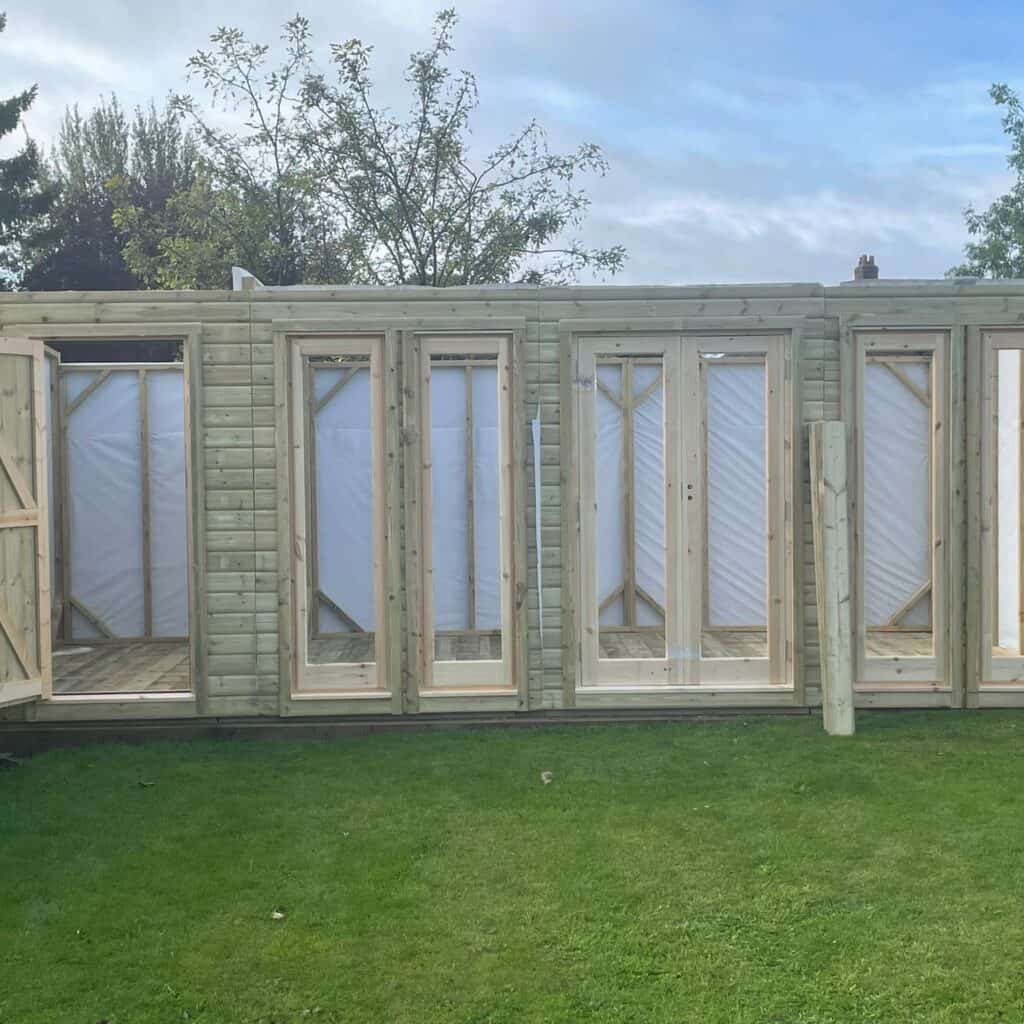
For larger sheds, double doors are often preferred, as they allow easier access for bulky items. However, they also require more precise installation to ensure both sides align correctly.
Fitting Windows
Windows bring natural light into your shed, making it more usable, especially if it is intended as a workspace. However, they also introduce potential weak points if not installed correctly.
When fitting windows:
- Ensure the opening is reinforced and level
- Use proper seals or trims to prevent water ingress
- Position windows to maximise light without compromising privacy or security
Plastic or acrylic glazing is often preferred over glass for safety reasons, particularly in garden environments.
Ventilation and Practical Additions
Ventilation is often overlooked but plays an important role in preventing damp and condensation. Small vents positioned high on opposing walls can help airflow without affecting security.
You may also want to consider:
- Shelving or internal supports
- Electrical access if required
- Floor treatments or coverings
Planning these elements early avoids having to modify the structure later.
Finishing Touches
The final stage in how to build a shed involves protecting and refining the structure.
This includes:
- Applying wood preservative or paint
- Sealing joints and edges
- Adding trims to improve weather resistance
These finishes are not just cosmetic. They protect the timber from moisture, UV damage, and general wear.
Why This Stage Matters
Doors, windows, and finishes define how usable and durable your shed will be. Poorly installed features can lead to drafts, leaks, and long-term structural issues.
Midlands Sheds and Summerhouses often find that DIY builders underestimate this stage. The structure may be sound, but poorly planned openings or rushed finishing can reduce the overall quality significantly.
Taking the time to plan and execute this stage properly ensures your shed is not only functional, but built to last.
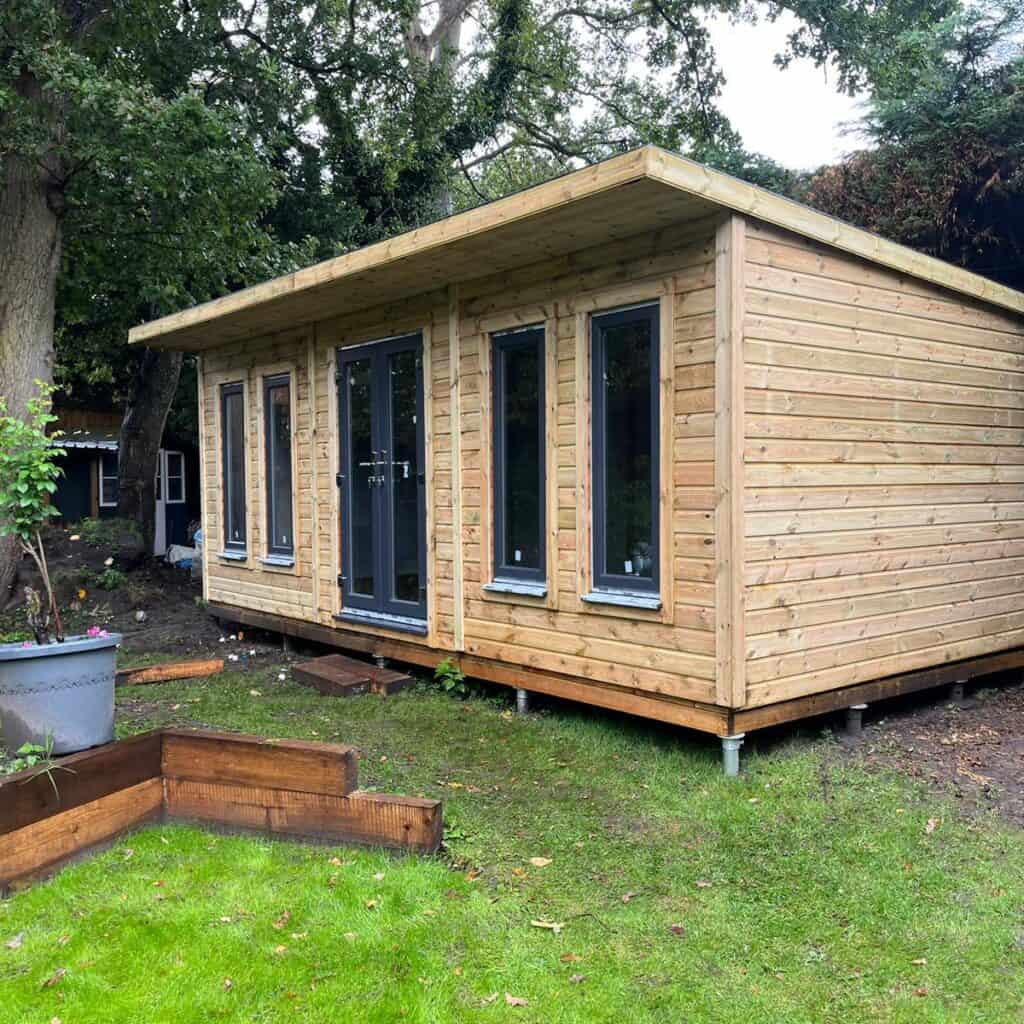
The True Cost of Building a Shed
Now that you understand how to build a shed, it is important to take a step back and look at the full picture, not just the materials list, but everything that goes into achieving a solid, long-lasting result. Midlands Sheds and Summerhouses often find that the initial appeal of DIY is based on a simple assumption. If you are buying the same timber and aiming for the same outcome, it should be cheaper. In reality, it is rarely that straightforward.
Materials are usually the first consideration, and while it may seem like a controlled cost, buying timber, roofing, and fittings at retail prices can quickly exceed expectations. Manufacturers benefit from bulk purchasing and established supply chains, which means they often secure materials at significantly lower rates than an individual builder. On top of that, DIY builds tend to involve a degree of over-ordering to account for mistakes or uncertainty, which increases spend before construction has even begun.
Tools are another major factor. If you already have a well-equipped setup, this may not apply, but for many people, building a shed properly requires investing in equipment. Accurate cuts, level bases, and properly fitted cladding are not achievable with basic tools alone. Saws, drills, levels, and fixings all add up, and these are not optional if you want a shed that performs well over time. What initially looks like a material-only project can quickly become a broader investment.
Mistakes and waste are where costs often begin to spiral. Even small errors in measuring or cutting can lead to replacing entire sections of timber or cladding. This is particularly true when working with more precise materials such as tongue and groove boards or when constructing structural elements like the frame or roof. A slightly uneven base or a misaligned wall can create knock-on issues that require correction later, increasing both material use and time spent.
Time itself is often overlooked, but it plays a significant role. A professional team can install a garden shed in a day or two, with the experience and processes to do so efficiently. A DIY build, especially for someone learning how to build a shed for the first time, can take several weekends. While time is not always assigned a monetary value, it still carries weight, particularly if delays occur or the project stretches longer than expected.
That said, there are genuine advantages to building your own shed. In the right circumstances, DIY can offer cost savings, particularly if you already own the necessary tools and have experience in carpentry or construction. It also provides complete control over the design, allowing you to tailor the size, layout, and materials to your exact needs. For many, there is also a strong sense of satisfaction in completing a project from start to finish, which cannot be replicated by simply purchasing a finished product.
However, a balanced view is essential. The biggest risk with DIY is not that it is difficult, but that it is unpredictable. Costs can escalate quickly if tools need to be purchased, materials replaced, or mistakes corrected. Building a shed requires more than basic DIY knowledge. Structural accuracy, proper drainage, and effective weatherproofing all need to be considered. Without this, even a shed that looks good initially may develop issues over time.
Time commitment is another key consideration. Projects often take longer than planned, particularly when factoring in weather, availability, and the natural learning curve. This can lead to frustration, especially if the shed is needed for immediate use. There is also the risk that the final result does not meet expectations, whether due to alignment issues, gaps in cladding, or problems with doors and windows fitting correctly.
This is why buying a shed often makes more sense for many people. Midlands Sheds and Summerhouses encourage customers to consider not just the upfront price, but the overall value. A professionally built shed offers predictable costs, reliable construction, and a level of finish that is difficult to achieve without experience. Installation is quick, and the result is ready to use almost immediately. There is also the benefit of expert advice, helping you choose the right size, style, and materials for your specific needs.
In practical terms, DIY is best suited to those who already have the tools, the skills, and the time to commit to the project. It can be a rewarding process and, in some cases, a cost-effective one. For everyone else, buying a shed is often the safer and more economical option when all factors are taken into account.
Ultimately, how to build a shed is not just about following steps, it is about understanding the full scope of what is involved. Midlands Sheds and Summerhouses believe in a realistic approach. If you are confident and well-prepared, building your own shed can be a worthwhile challenge. However, if tools are lacking or mistakes occur, costs can quickly spiral beyond what you would have paid for a professionally built solution. For many homeowners, buying a shed provides better value, greater reliability, and far less stress.